Abdullah Atham: the former Muslim who became a Christian missionary
Born a Muslim, baptised in 1853, Abdullah Atham became a Christian writer against Islam and debated Hadhrat Mirza Ghulam Ahmad (as) in 1893. His life, the debate, the prophecy, the fifteen months that followed and the oath he would not take.
At a glance
- Born: 1828 in Ambala, into a Muslim family
- Became a Christian: baptised 28 March 1853 in Karachi
- Known for: missionary writing against Islam; a government career in the Punjab
- Opponent of Hadhrat Mirza Ghulam Ahmad (as): the Christian side's debater at Amritsar, 22 May to 5 June 1893
- Died: 27 July 1896 in Ferozepur
He is spelled both Atham and Athim.
From Muslim to missionary
Abdullah Atham grew up in a Muslim family in Ambala and was educated in Urdu and Persian. After his wife died in 1851 he began to doubt his faith, and on 28 March 1853 he was baptised in Karachi by the Rev. Abraham Matchett, together with his two sons.
He went to work with the Church Missionary Society, touring Sindh with Matchett and helping translate the Gospel of Matthew into Sindhi. He later entered government service, rising to Extra Assistant Commissioner in several Punjab districts. He retired on a pension in 1884 and became an honorary priest the same year.
His work against Islam
Even before his baptism he wrote Chand Su'alat Islam ki Babat (“Some questions about Islam”), a list of challenges to Muslim scholars that Sir William Muir published in 1852 and that circulated widely among missionaries. He went on to write a number of other books on religion. In one of them, Andruna-e-Bible, he called the Holy Prophet ﷺ “Dajjal,” the Antichrist. Did he really? The record.
The 1893 debate and the prophecy
At the urging of the missionary Dr Henry Martyn Clark, a public debate between Islam and Christianity was held in Amritsar from 22 May to 5 June 1893. The Christians chose Atham as their speaker; Hadhrat Mirza Ghulam Ahmad (as) represented Islam. The debate was published as Jang-e-Muqaddas (“The Holy War”).
On the last day, 5 June 1893, he announced a prophecy: the side that was knowingly holding to falsehood and had made a man into God would fall into hawiya within fifteen months, one month for each day of the debate, and be disgraced, provided they did not turn to the truth (Jang-e-Muqaddas, Ruhani Khazain Vol. 6, pp. 291–292). Read the prophecy from the original pages, and whether it failed.
Did he really call the Holy Prophet ﷺ “Dajjal”?
The prophecy was made because of one word. Critics say Atham never wrote it, that no page number is ever given, and that Atham himself denied it. Here is what the record shows.
| What the record shows | Source |
|---|---|
| The charge was put to Atham's face on the last day of the debate, in the official record signed by both sides | Jang-e-Muqaddas, p. 293 |
| Atham answered it in fear, before about seventy people; his denial meant his words had “another meaning” | Nuzul-ul-Masih, pp. 542–544 |
| That denial was his retraction; Dr Henry Martyn Clark was among the witnesses | Haqiqat-ul-Wahi, p. 193 |
| About fifty witnesses still alive in 1907; he never used the word again; forty witnesses offered | Haqiqat-ul-Wahi, pp. 222–223 |
| His silence, his refusal of the oath, no court case and no more attacks on Islam | Haqiqat-ul-Wahi, p. 555 |
| The denial quoted word for word, and called his retraction | Haqiqat-ul-Wahi, pp. 566–567 |
We have not found a copy of the book. We searched online archives and library catalogues and could not find Andruna-e-Bible, so we cannot show the page itself. Many Urdu books of that time survive only in a few libraries, if at all, and most have never been scanned. What we can show is what happened when Atham was accused of it in public, and what he did next.
1. Said to his face, in a record both sides signed
On the last day of the debate, 5 June 1893, Hadhrat Mirza Ghulam Ahmad (as) put the charge to Atham in writing:
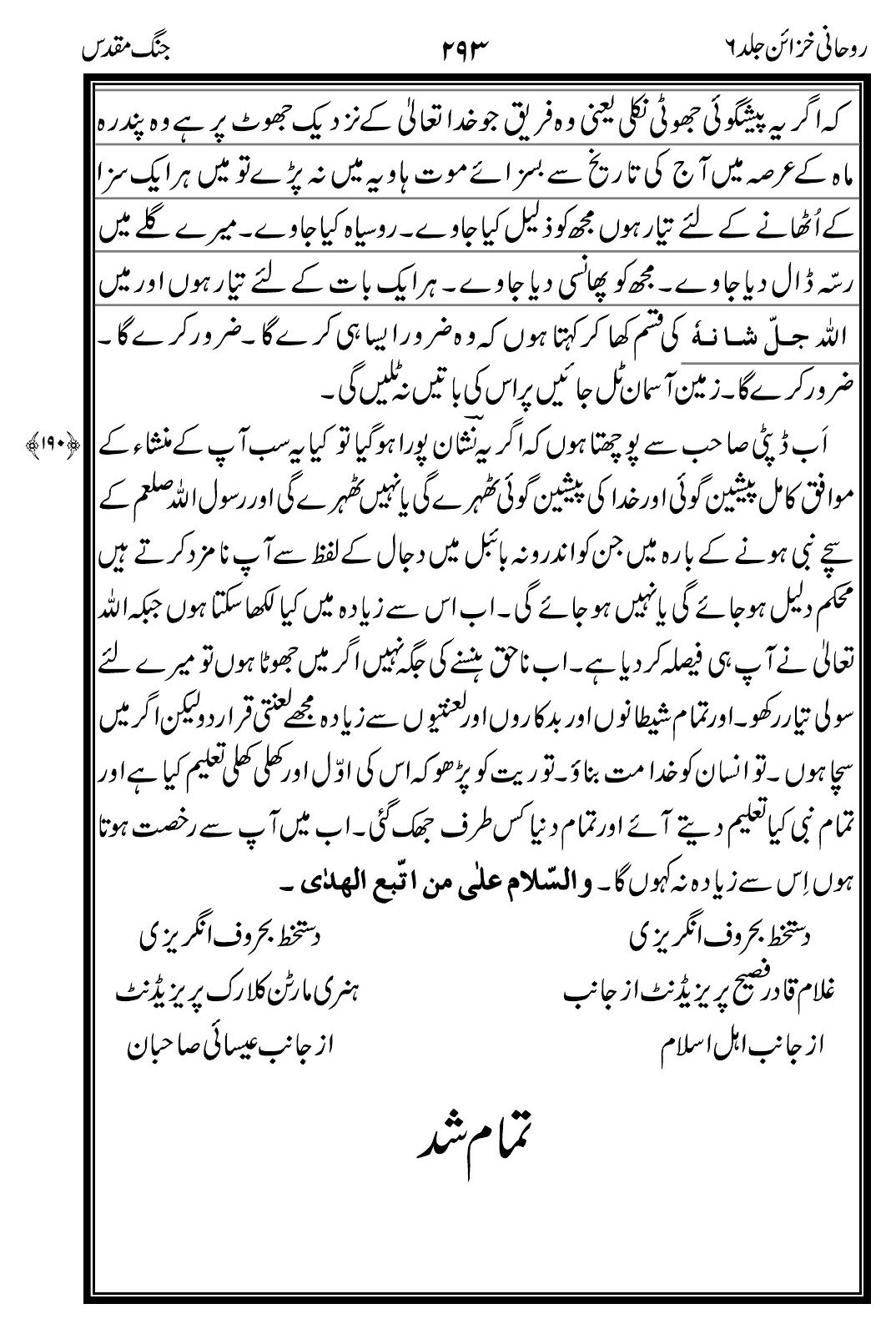
اور رسول اللہ صلعم کے سچے نبی ہونے کے بارہ میں جن کو اندرونہ بائبل میں دجال کے لفظ سے آپ نامزد کرتے ہیں محکم دلیل ہو جائے گی یا نہیں ہو جائے گی
And will it be a firm proof that the Messenger of Allah ﷺ, whom in Andruna-e-Bible you name with the word Dajjal, is a true prophet, or not?
At the foot of the same page are the signatures of the two presidents, for the Muslims and for the Christians, Dr Henry Martyn Clark. The charge was in the official record of the debate, and it was published in 1893 while Atham was alive.
2. What happened in the hall
Hadhrat Mirza Ghulam Ahmad (as) described the scene in Nuzul-ul-Masih. Atham, he writes, had used the word “a few days before the debate” (p. 542). Present were Dr Clark with about thirty Christians, and thirty or forty of his own companions. He told Atham:
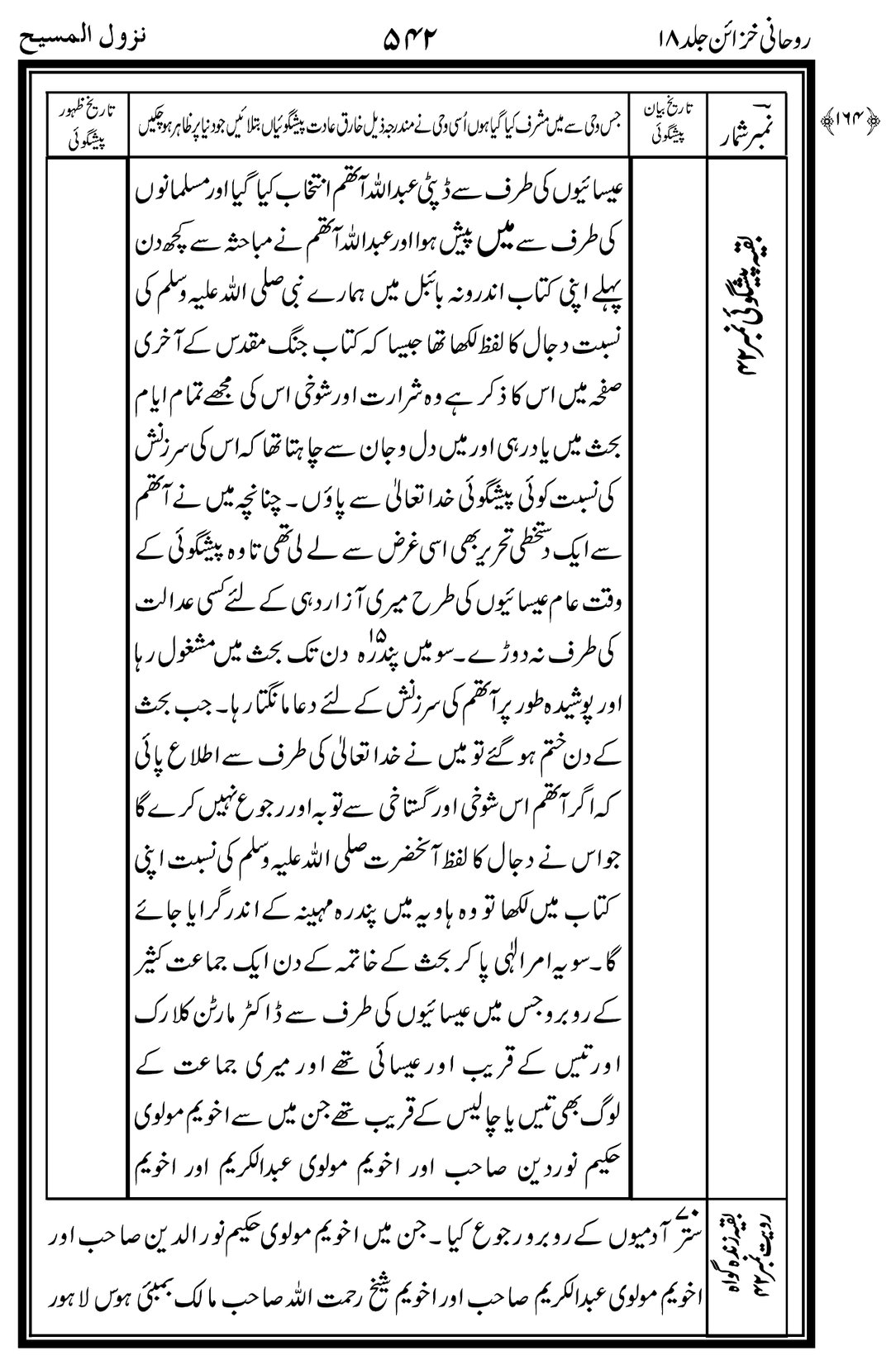
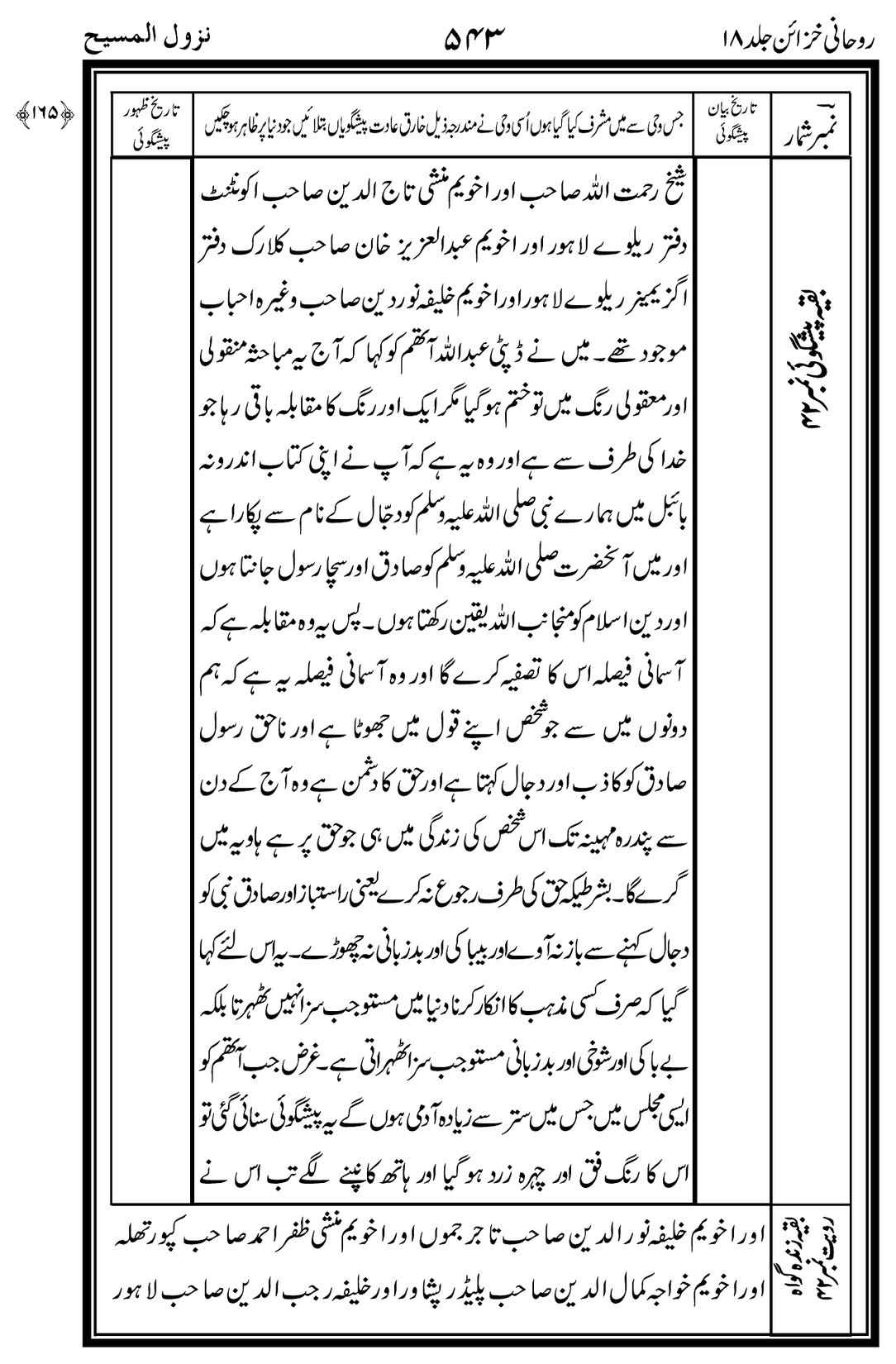
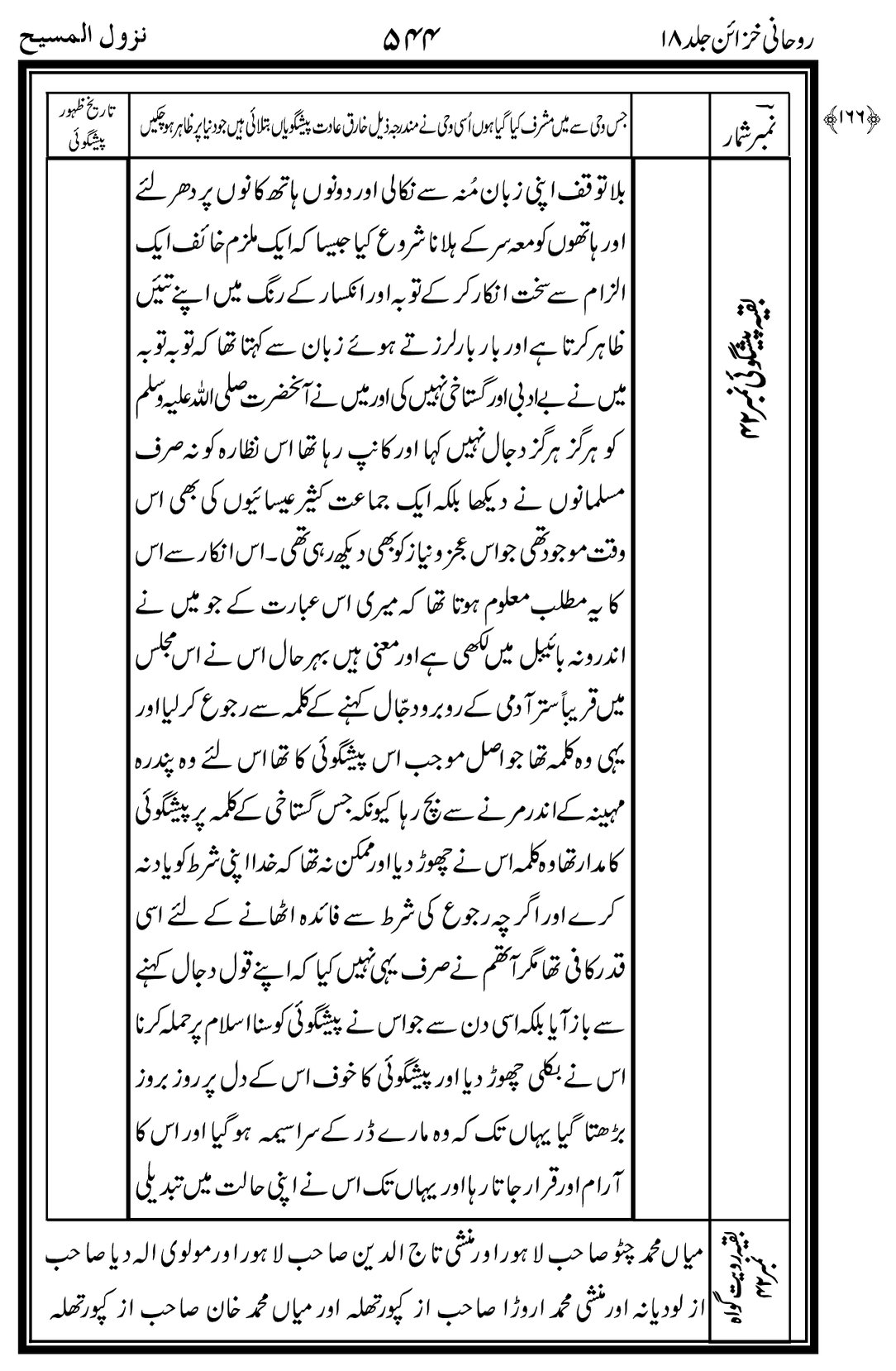
آپ نے اپنی کتاب اندرونہ بائبل میں ہمارے نبی صلی اللہ علیہ وسلم کو دجال کے نام سے پکارا ہے اور میں آنحضرت صلی اللہ علیہ وسلم کو صادق اور سچا رسول جانتا ہوں
In your book Andruna-e-Bible you have called our Prophet ﷺ by the name Dajjal, and I know the Holy Prophet ﷺ to be truthful and a true Messenger.
The punishment, he explained, was for that word, not for being a Christian:
صرف کسی مذہب کا انکار کرنا دنیا میں مستوجب سزا نہیں ٹھہرتا بلکہ بے باکی اور شوخی اور بدزبانی مستوجب سزا ٹھہراتی ہے
Merely rejecting a religion does not make anyone deserve punishment in this world; it is brazenness, insolence and foul language that do.
When the prophecy was read out, Atham's face turned pale and his hands began to shake. Then, “like a frightened man accused of something who denies it hard and makes himself out to be repentant and humble”:
بلا توقف اپنی زبان منہ سے نکالی اور دونوں ہاتھ کانوں پر دھر لئے … اور بار بار لرزتے ہوئے زبان سے کہتا تھا کہ توبہ توبہ میں نے بے ادبی اور گستاخی نہیں کی اور میں نے آنحضرت صلی اللہ علیہ وسلم کو ہرگز ہرگز دجال نہیں کہا
He at once put out his tongue and put both hands over his ears … and, trembling, kept saying: “God forgive! I have shown no disrespect or insolence, and I have never, never called the Holy Prophet ﷺ Dajjal.”
This is the denial critics point to. The very next lines explain it:
اس انکار سے اس کا یہ مطلب معلوم ہوتا تھا کہ میری اس عبارت کے جو میں نے اندرونہ بائیبل میں لکھی ہے اور معنی ہیں بہرحال اس نے اس مجلس میں قریباً ستر آدمی کے روبرو دجال کہنے کے کلمہ سے رجوع کر لیا
By this denial he seemed to mean that the passage he had written in Andruna-e-Bible had another meaning. In any case, in that gathering, before about seventy people, he withdrew from the word Dajjal.
So the denial was not that the passage did not exist, but that it meant something else, and it was made as a retraction. Along the foot of these pages and the next two, Hadhrat Mirza Ghulam Ahmad (as) lists, by name, about twenty living witnesses to the scene.
3. “The denial was the retraction”
He answered the same objection in Haqiqat-ul-Wahi (1907). After Atham's words in the hall, “I never named the Holy Prophet ﷺ Dajjal,” he added a footnote:
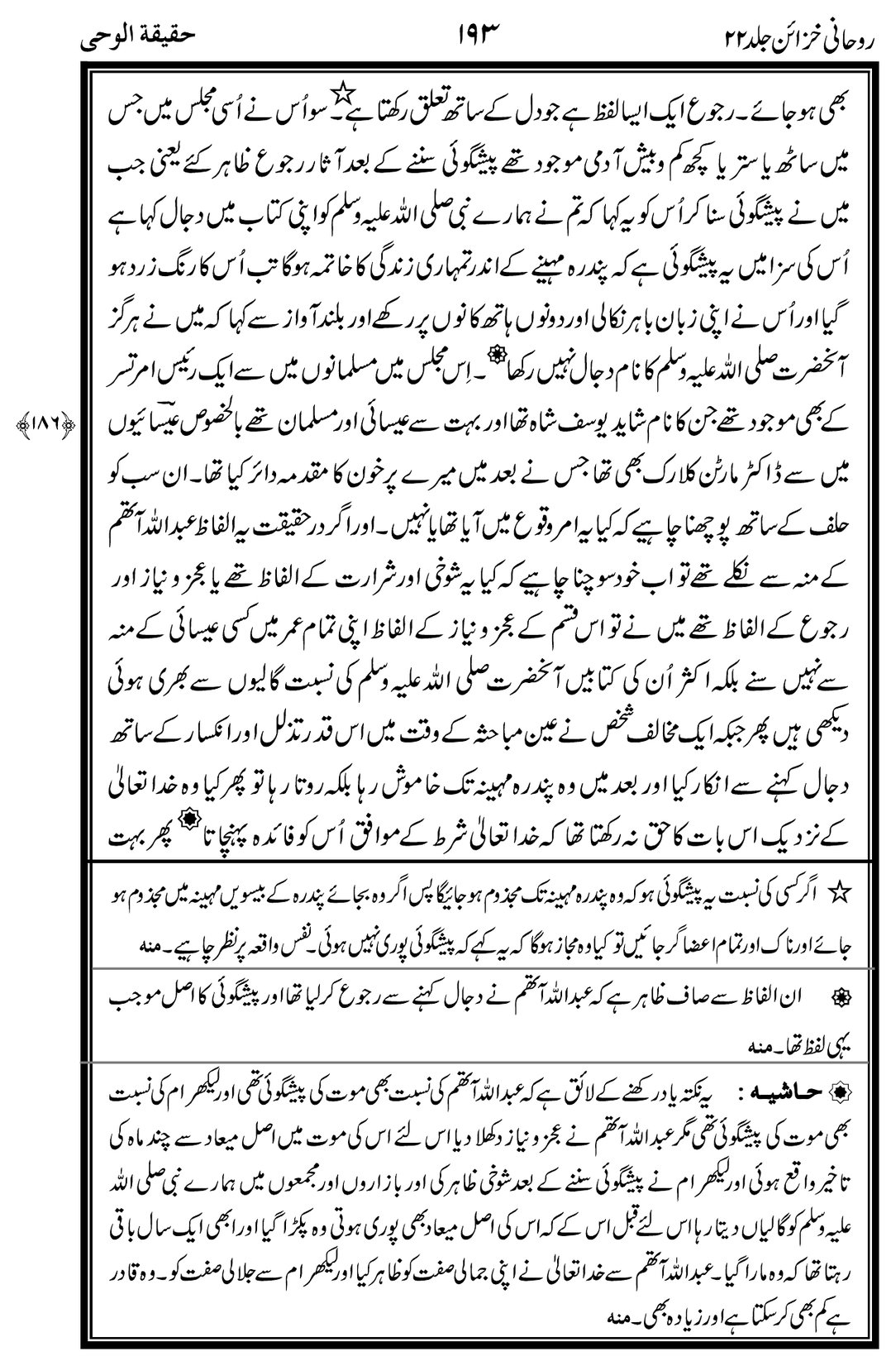
ان الفاظ سے صاف ظاہر ہے کہ عبداللہ آتھم نے دجال کہنے سے رجوع کر لیا تھا اور پیشگوئی کا اصل موجب یہی لفظ تھا
These words make it plain that Abdullah Atham withdrew from calling him Dajjal, and that this word was the real cause of the prophecy.
Among the witnesses he named a man who later became his bitter enemy:
بالخصوص عیسائیوں میں سے ڈاکٹر مارٹن کلارک بھی تھا جس نے بعد میں میرے پر خون کا مقدمہ دائر کیا تھا۔ ان سب کو حلف کے ساتھ پوچھنا چاہیے کہ کیا یہ امر وقوع میں آیا تھا یا نہیں۔
Among the Christians, in particular, was Dr Martyn Clark, who later brought a murder case against me. All of them should be asked on oath whether this happened or not.
On the same page he says why the scene was so striking. Humble words like these were not what he was used to hearing from Christians about the Holy Prophet ﷺ:
میں نے تو اس قسم کے عجز و نیاز کے الفاظ اپنی تمام عمر میں کسی عیسائی کے منہ سے نہیں سنے بلکہ اکثر ان کی کتابیں آنحضرت صلی اللہ علیہ وسلم کی نسبت گالیوں سے بھری ہوئی دیکھی ہیں
In my whole life I had never heard such humble words from any Christian; rather, I have seen most of their books full of abuse of the Holy Prophet ﷺ.
4. Witnesses still alive, and an open offer
In the same book, as the twenty-third sign:
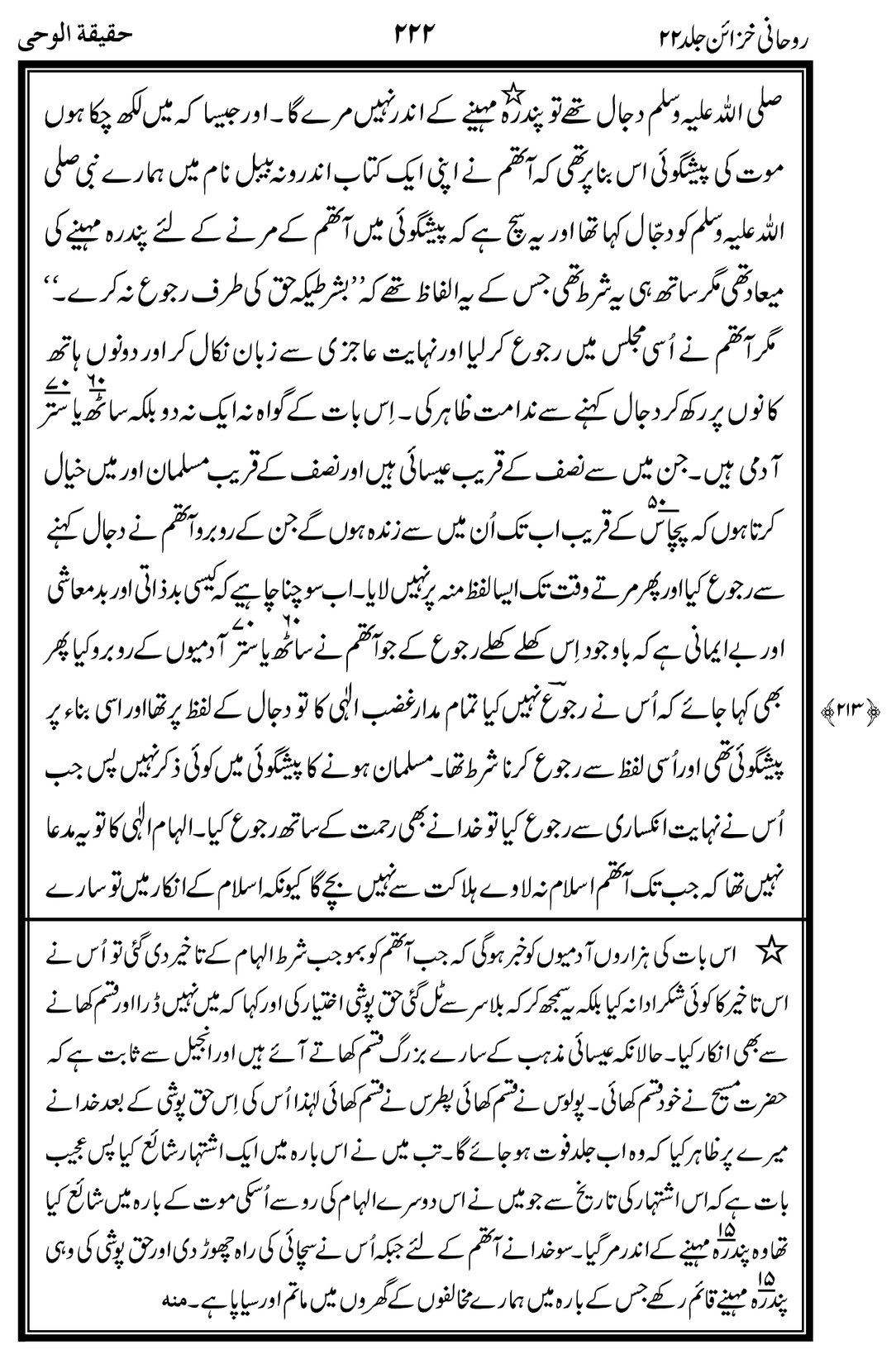
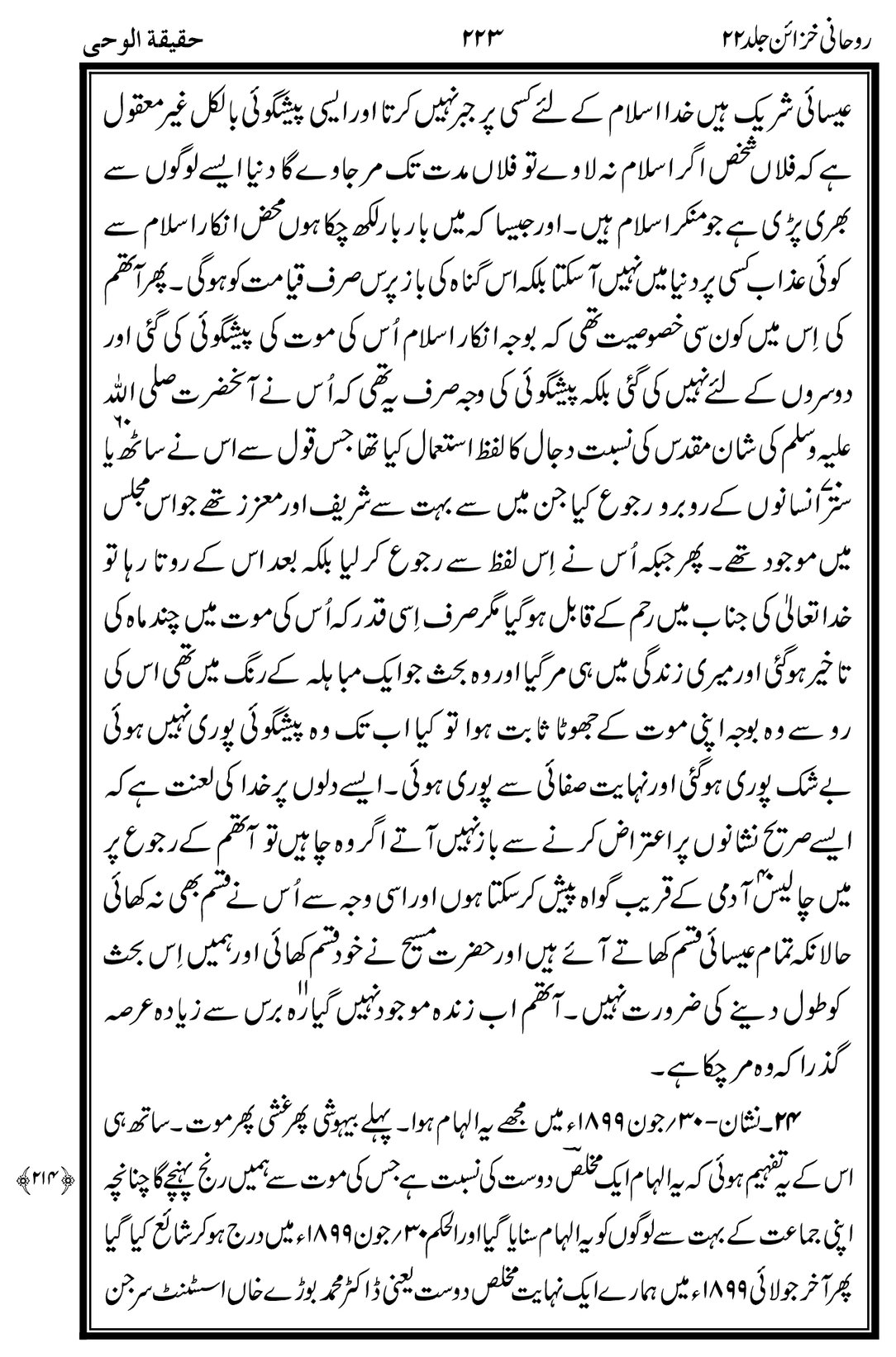
اور میں خیال کرتا ہوں کہ پچاس کے قریب اب تک ان میں سے زندہ ہوں گے جن کے روبرو آتھم نے دجال کہنے سے رجوع کیا اور پھر مرتے وقت تک ایسا لفظ منہ پر نہیں لایا
And I think that about fifty of them are still alive, before whom Atham withdrew from calling him Dajjal, and until he died he never let such a word pass his lips again.
اگر وہ چاہیں تو آتھم کے رجوع پر میں چالیس آدمی کے قریب گواہ پیش کر سکتا ہوں
If they wish, I can produce about forty witnesses to Atham's retraction.
He wrote this more than eleven years after Atham's death, naming witnesses from both sides and inviting his critics to question them.
5. Everything he did afterwards pointed the same way
Later in Haqiqat-ul-Wahi, answering those who said Atham had not died in time, he listed the signs together:
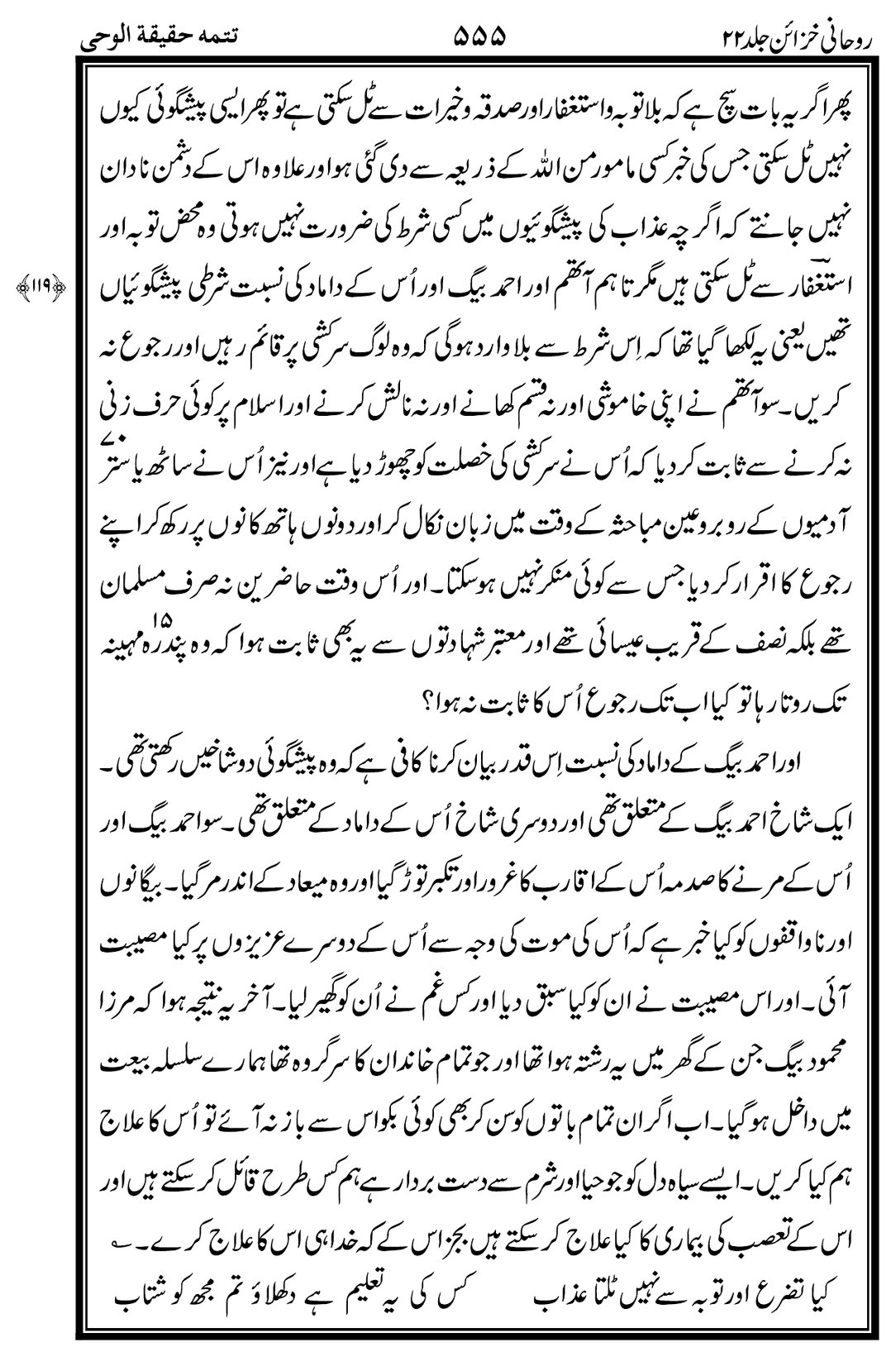
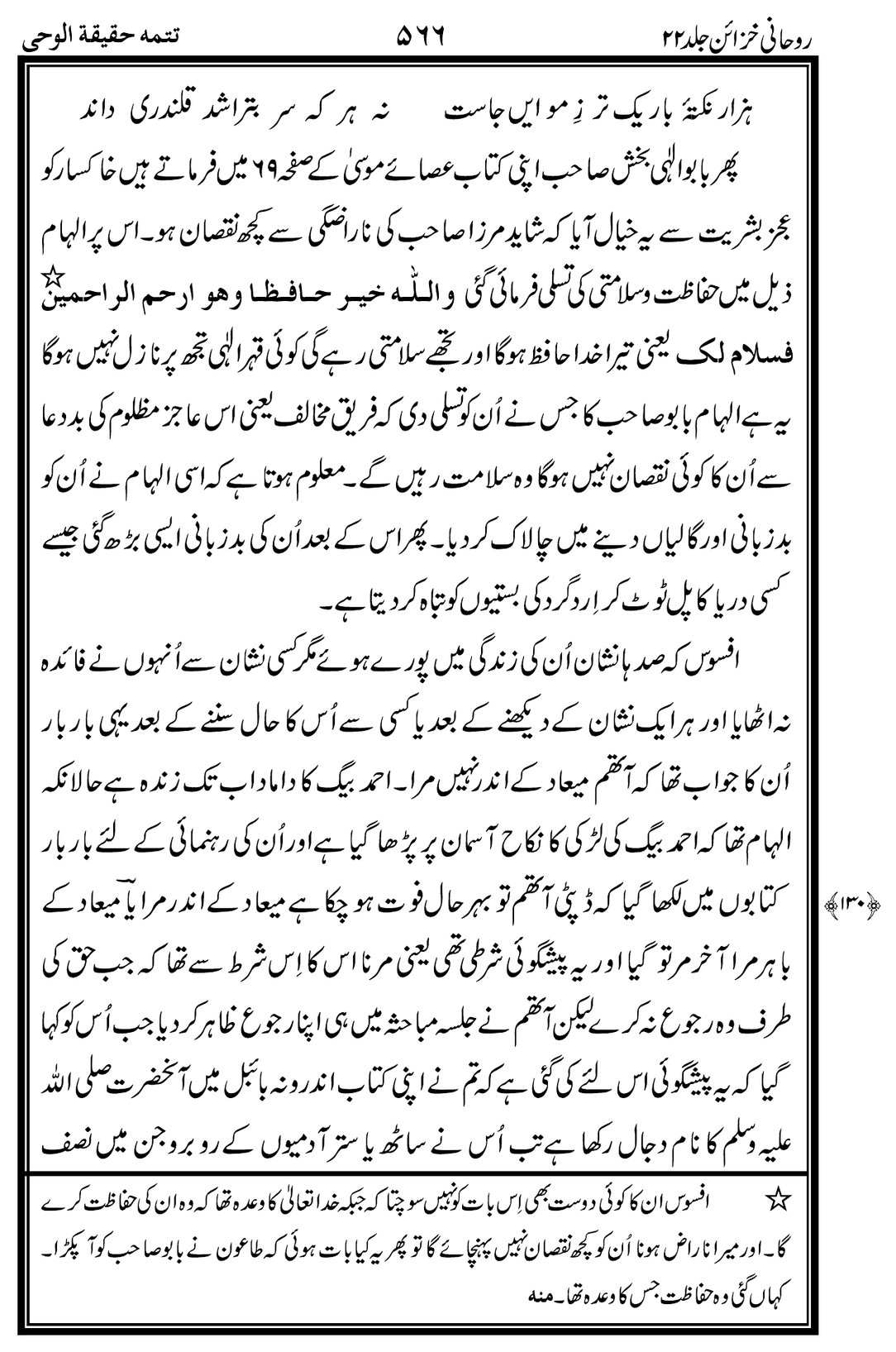
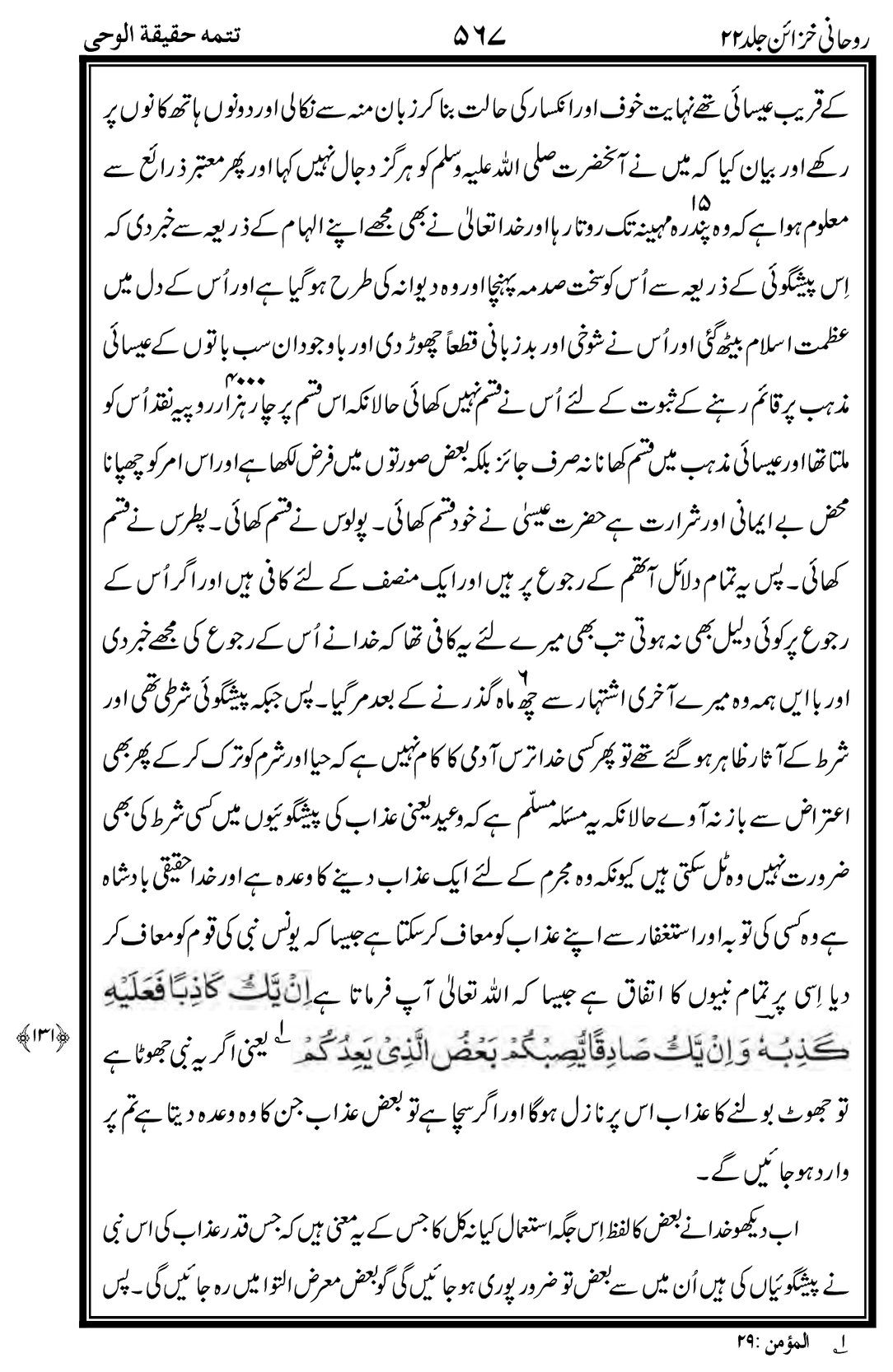
سو آتھم نے اپنی خاموشی اور نہ قسم کھانے اور نہ نالش کرنے اور اسلام پر کوئی حرف زنی نہ کرنے سے ثابت کر دیا کہ اس نے سرکشی کی خصلت کو چھوڑ دیا ہے
By his silence, by not taking the oath, by not going to court and by not saying a word against Islam, Atham proved that he had given up his defiance.
And once more he set out the scene, quoting Atham's words:
لیکن آتھم نے جلسہ مباحثہ میں ہی اپنا رجوع ظاہر کر دیا جب اس کو کہا گیا کہ یہ پیشگوئی اس لئے کی گئی ہے کہ تم نے اپنی کتاب اندرونہ بائبل میں آنحضرت صلی اللہ علیہ وسلم کا نام دجال رکھا ہے تب اس نے ساٹھ یا ستر آدمیوں کے روبرو جن میں نصف کے قریب عیسائی تھے نہایت خوف اور انکسار کی حالت بنا کر زبان منہ سے نکالی اور دونوں ہاتھ کانوں پر رکھے اور بیان کیا کہ میں نے آنحضرت صلی اللہ علیہ وسلم کو ہرگز دجال نہیں کہا
But Atham showed his retraction in the debate itself. When he was told that the prophecy had been made because in his book Andruna-e-Bible he had named the Holy Prophet ﷺ Dajjal, then before sixty or seventy people, about half of them Christians, in a state of great fear and humility, he put out his tongue, put both hands over his ears and declared: “I have never called the Holy Prophet ﷺ Dajjal.”
He goes on: reliable reports said Atham wept for fifteen months; God had told him that Atham's heart was shaken and that he had given up insolence and abuse; and Atham would not swear that he still held to Christianity, though 4,000 rupees in cash were offered. “All these,” he writes, “are proofs of Atham's retraction” (p. 567).
In short: the charge was made to Atham's face and printed in his lifetime. His answer was a frightened retraction, not a claim that the passage did not exist. Hadhrat Mirza Ghulam Ahmad (as) set the scene down again in 1902 and 1907, naming witnesses from both sides and inviting anyone to question them. And Atham's own conduct afterwards, his silence, his fear and his refusal to swear, fits that account.
The fifteen months
Atham changed. He stopped writing and speaking against Islam, and lived in visible fear, moving from city to city. Hadhrat Mirza Ghulam Ahmad (as) described it the next year:
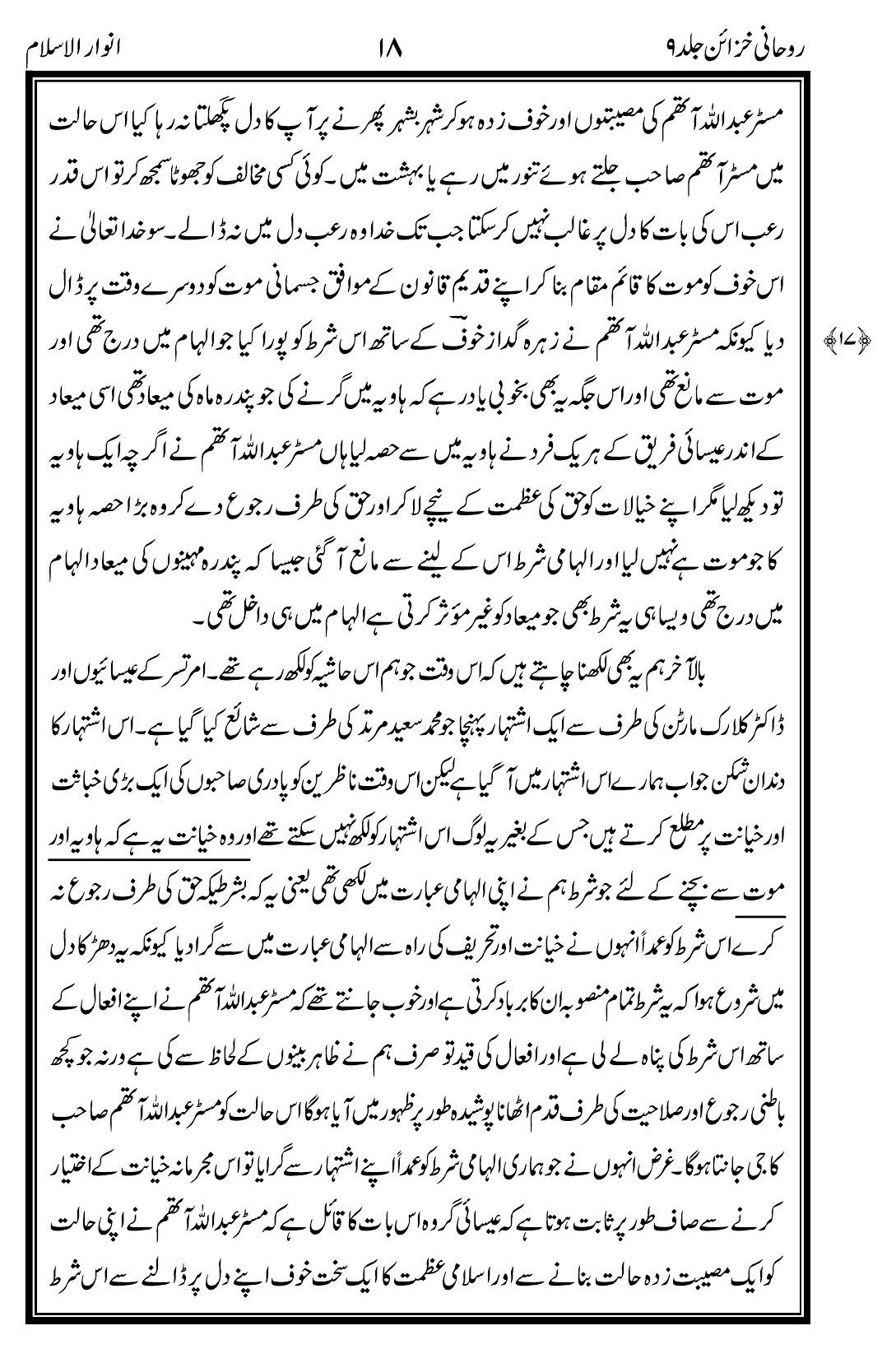
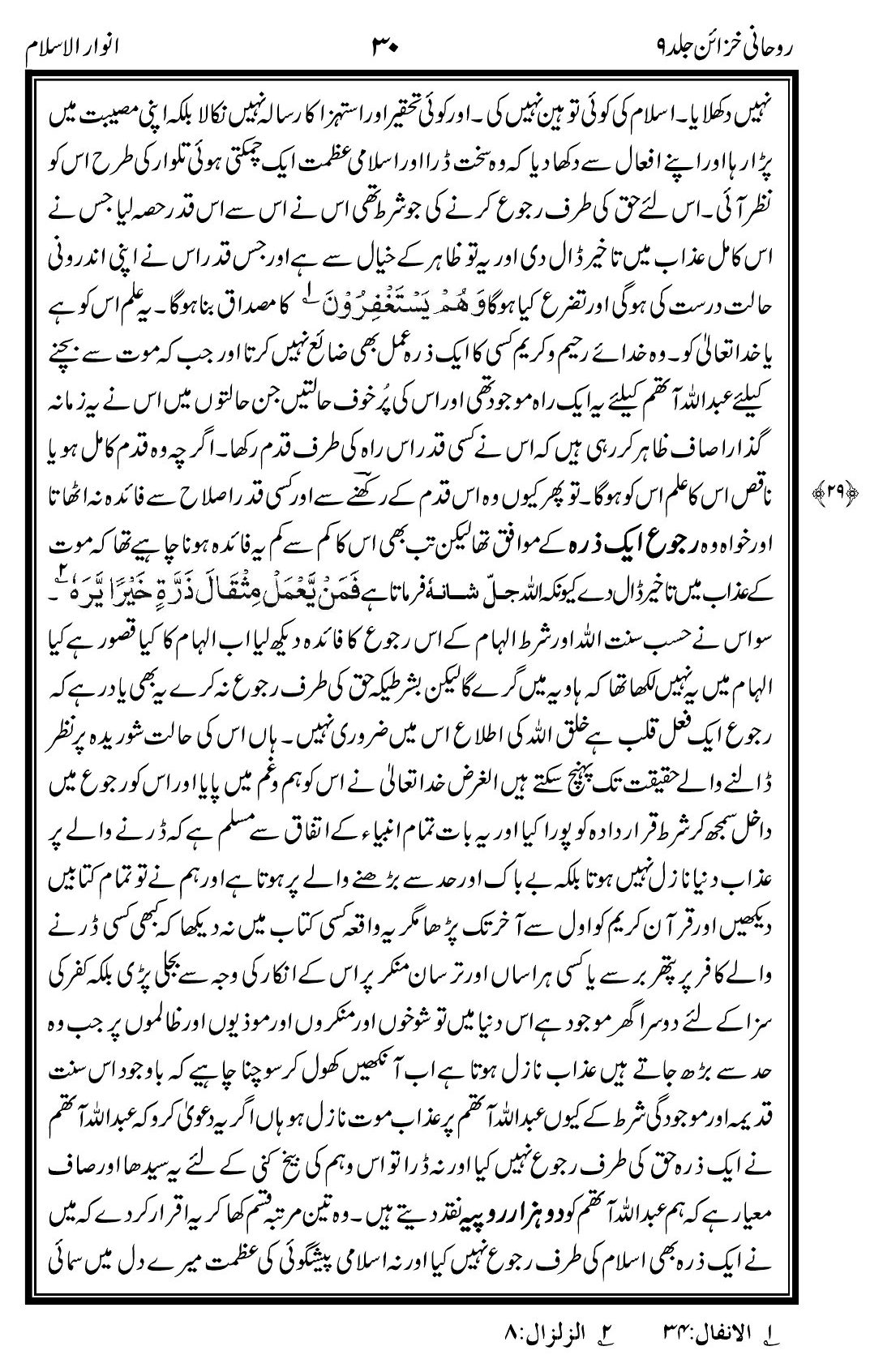
اسلام کی کوئی توہین نہیں کی۔ اور کوئی تحقیر اور استہزا کا رسالہ نہیں نکالا بلکہ اپنی مصیبت میں پڑا رہا اور اپنے افعال سے دکھا دیا کہ وہ سخت ڈرا اور اسلامی عظمت ایک چمکتی ہوئی تلوار کی طرح اس کو نظر آئی۔
He did not insult Islam at all, nor bring out any tract of contempt or mockery. Rather, he stayed sunk in his distress, and showed by his actions that he was badly afraid, and that the majesty of Islam appeared to him like a flashing sword.
Elsewhere in the same book he speaks of Atham's “distress, and his wandering in fear from city to city” (p. 18), and says that with this heart-melting fear Atham fulfilled the condition written in the revelation.
Atham did not deny the fear. He blamed it on attacks: a snake in Amritsar, men with spears in Ludhiana, men with guns in Ferozepur. The Christian paper Nur Afshan printed his statement that he had been afraid of “bloodthirsty angels.” But these attacks left no trace:
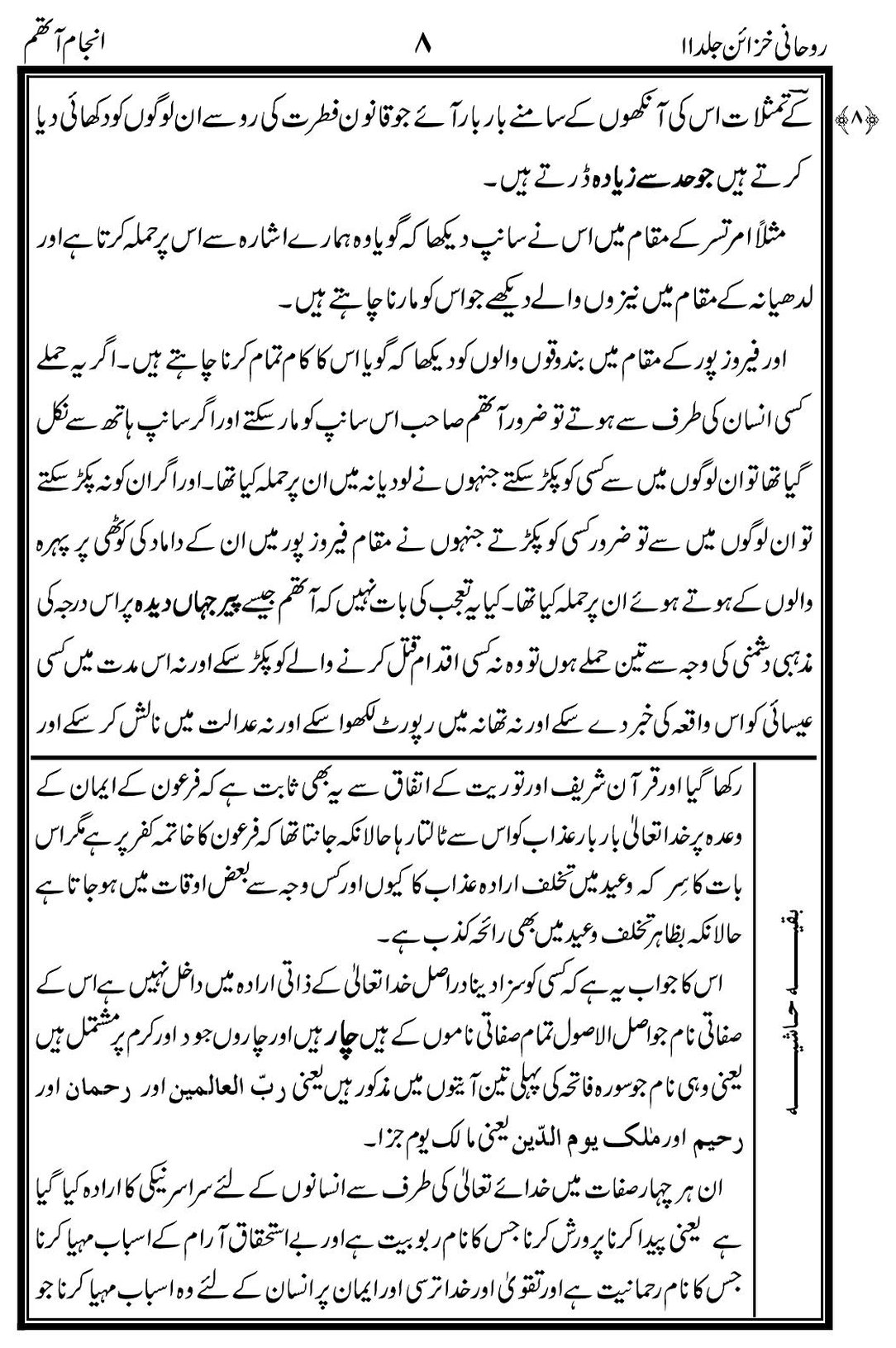
کیا یہ تعجب کی بات نہیں کہ آتھم جیسے پیر جہاں دیدہ پر اس درجہ کی مذہبی دشمنی کی وجہ سے تین حملے ہوں تو وہ نہ کسی اقدام قتل کرنے والے کو پکڑ سکے اور نہ اس مدت میں کسی عیسائی کو اس واقعہ کی خبر دے سکے اور نہ تھانہ میں رپورٹ لکھوا سکے اور نہ عدالت میں نالش کر سکے
Is it not strange that a man as experienced in the world as Atham suffers three attacks out of such religious hostility, and yet cannot catch a single attacker, cannot tell any Christian about it at the time, and cannot file a report at the police station or bring a case in court?
This was a retired Extra Assistant Commissioner, a man who knew the courts well, and the guards at his son-in-law's house in Ferozepur were there when the third “attack” supposedly happened. He never took anyone to court.
What his own side admitted
The Christian paper Nur Afshan of Ludhiana wrote about Atham during the fifteen months, in its issue of 27 July 1894, five weeks before the deadline. The article mocks the prophecy, but in doing so it admits three things.
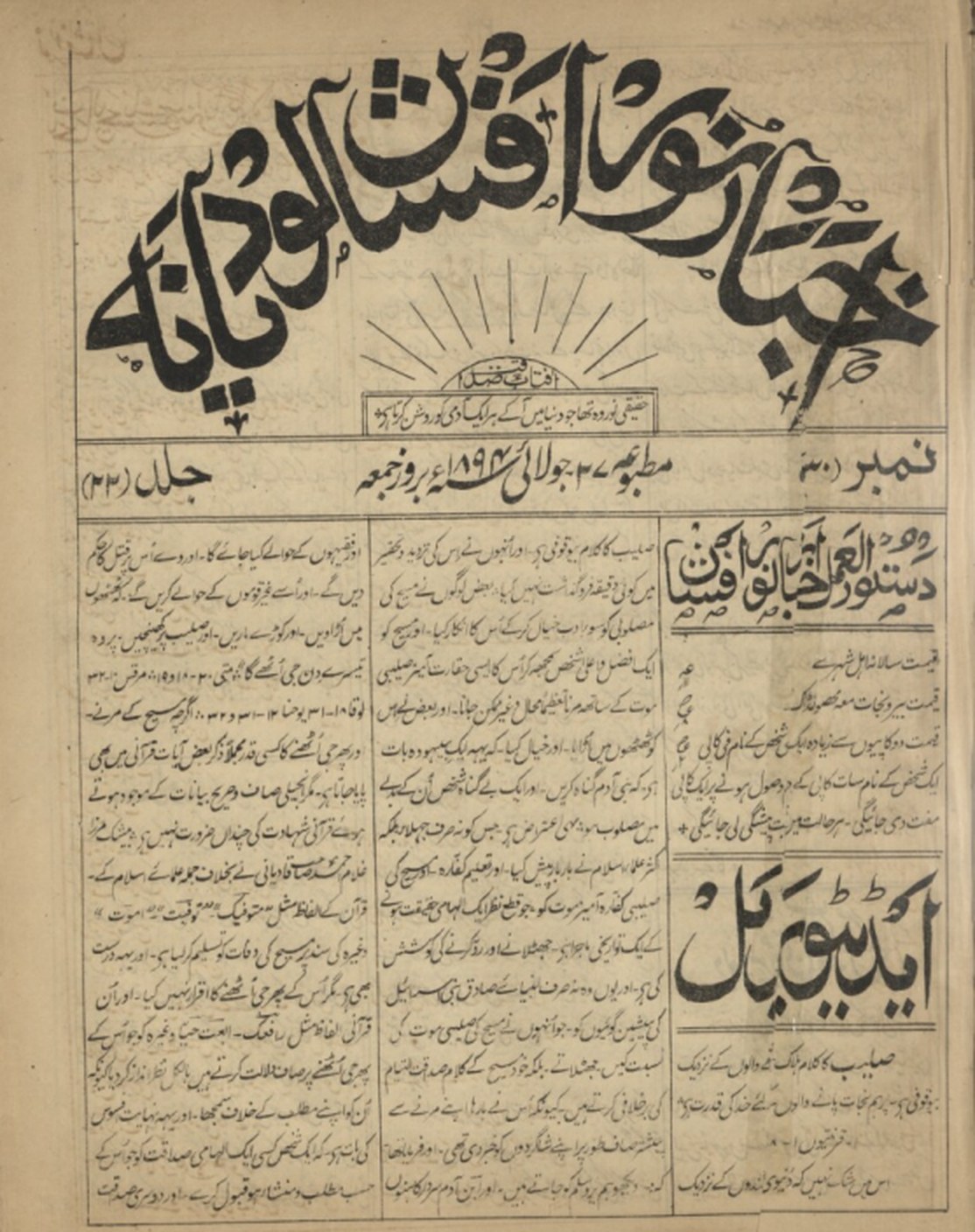
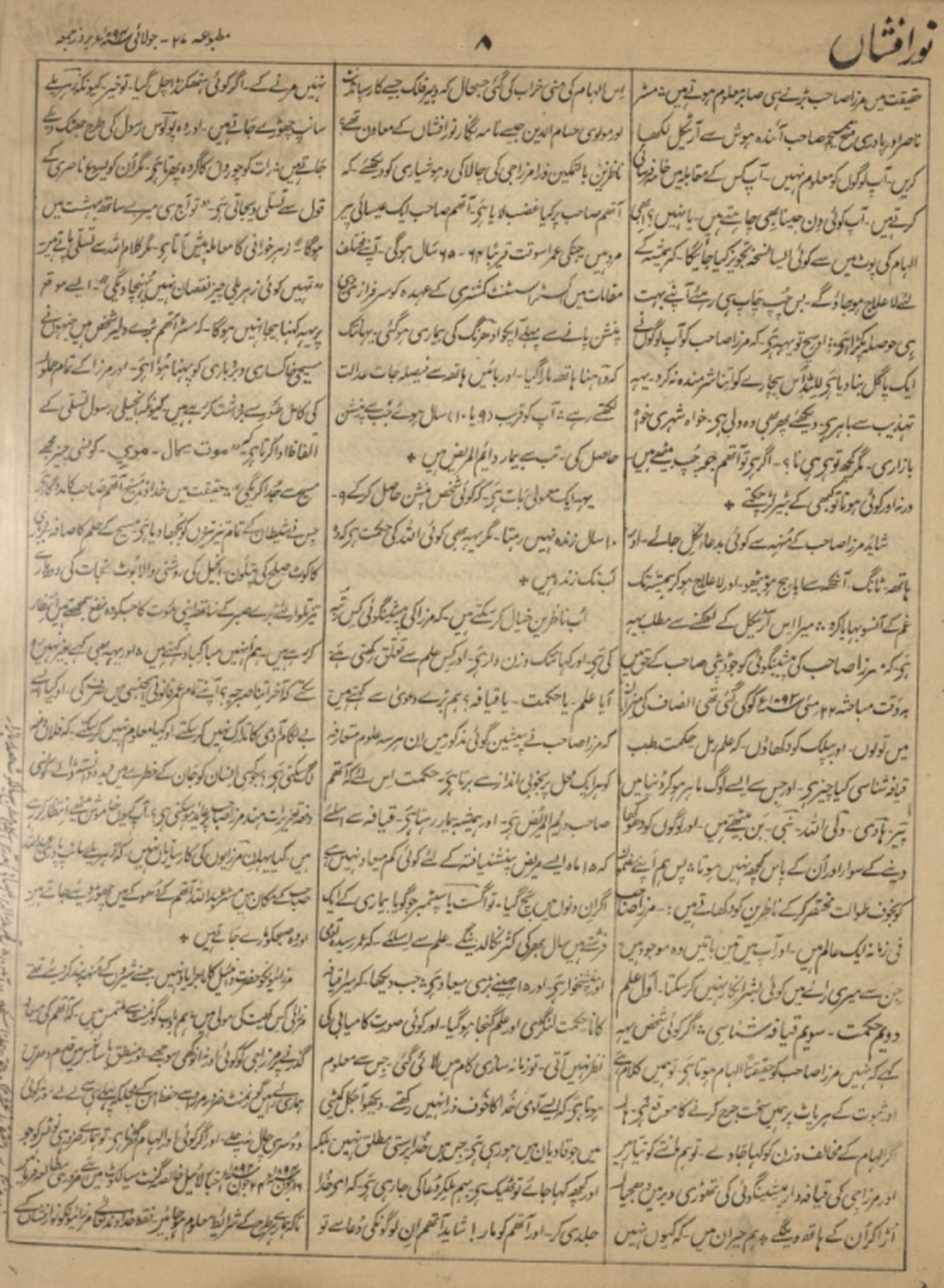
1. He was silent.
آتھم جو چپ بیٹھے ہیں، ورنہ اور کوئی ہوتا تو کبھی کے بٹیر لڑ چکتے
Atham, who sits silent; anyone else would have come to blows long ago.
2. His own side told him to go to court. The article already speaks of snakes let into his house and of poison. The writer reminds Atham that he spent his life in the law, asks whether he does not know which section of the Penal Code applies to a man who puts another's life in danger, and asks:
آپ کیوں خاموش بیٹھے انتظار کر رہے ہیں
Why do you sit silently waiting?
He never went to court.
3. They read the prophecy as death, and expected it. The writer calls it a safe guess: Atham was about 64 or 65, had been paralysed in his right hand before retiring (he wrote his court judgments with his left), and had been ill ever since; fifteen months, he says, is no short time for such a patient.
Why didn't he go to court? A week after the deadline, a letter in the same paper (14 September 1894) gave the Christian explanation: Christians are used to bearing things patiently, and
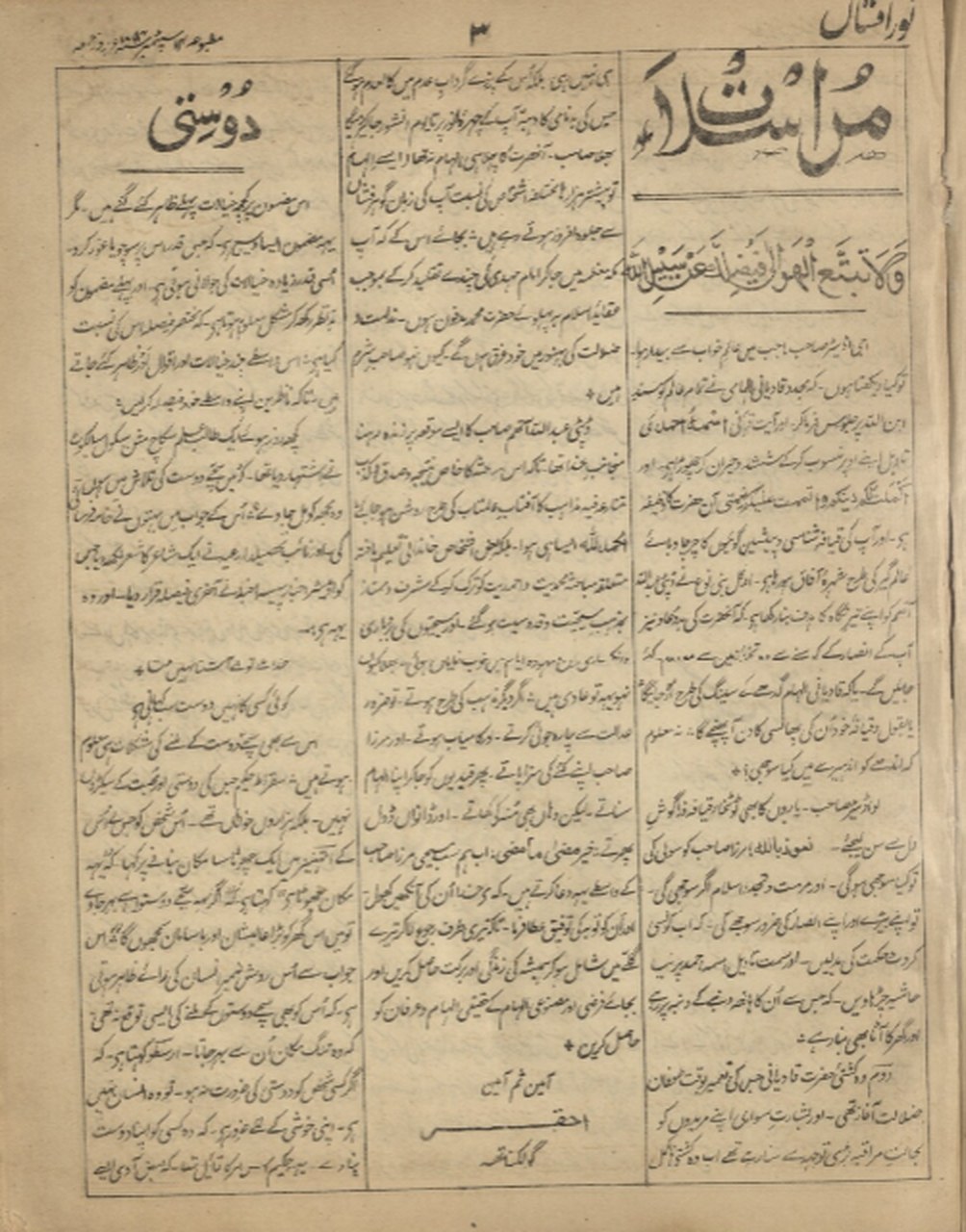
اگر دیگر مذہب کی طرح ہوتے تو ضرور عدالت سے چارہ جوئی کرتے اور کامیاب ہوتے اور مرزا صاحب اپنے کئے کی سزا پاتے
had they been like the followers of other religions, they would certainly have sought a remedy in court, and won, and Mirza sahib would have been punished for what he did.
Two months earlier the same paper had been urging Atham to go to court. And Hadhrat Mirza Ghulam Ahmad (as) answered this “merciful nature” excuse directly:
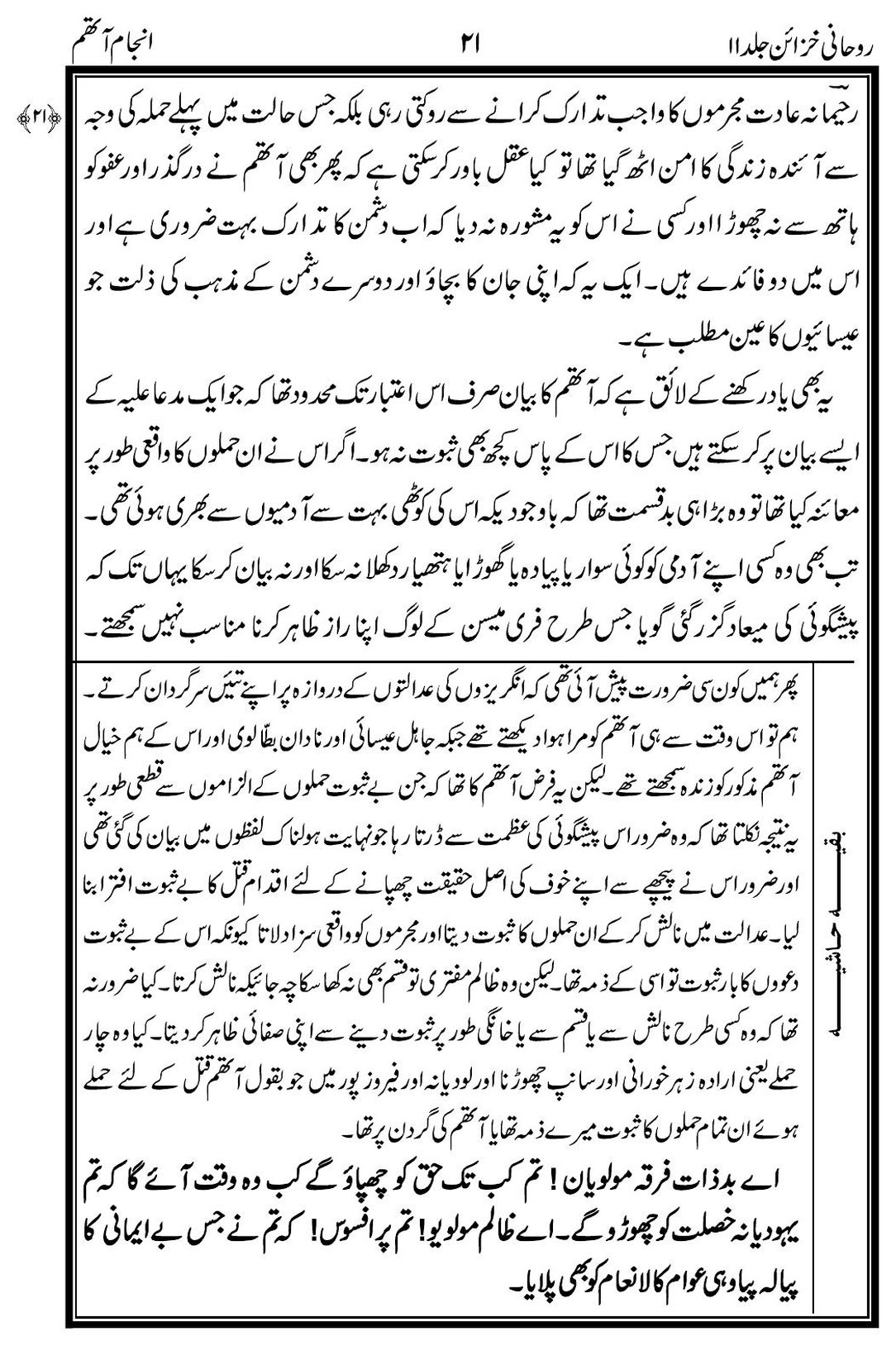
جس حالت میں پہلے حملہ کی وجہ سے آئندہ زندگی کا امن اٹھ گیا تھا تو کیا عقل باور کر سکتی ہے کہ پھر بھی آتھم نے درگذر اور عفو کو ہاتھ سے نہ چھوڑا اور کسی نے اس کو یہ مشورہ نہ دیا کہ اب دشمن کا تدارک بہت ضروری ہے اور اس میں دو فائدے ہیں۔ ایک یہ کہ اپنی جان کا بچاؤ اور دوسرے دشمن کے مذہب کی ذلت جو عیسائیوں کا عین مطلب ہے۔
When the first attack had already taken away all safety for the rest of his life, can reason believe that Atham still would not let go of pardon and forgiveness, and that no one advised him that dealing with the enemy was now essential? It had two benefits: first, saving his own life; and second, the disgrace of the enemy's religion, which is exactly what the Christians wanted.
Even Maulvi Sanaullah Amritsari, one of Hadhrat Mirza Ghulam Ahmad (as)'s fiercest Muslim opponents, accepted that Atham “certainly” feared death and fled from city to city, and pointed to Atham's own statement of his fear in Nur Afshan of September/October 1894. He argued that the fear was natural and meant nothing. That objection is answered here.
The oath he would not take
When the period ended on 5 September 1894 and Atham was alive, the Christians celebrated publicly, and some Muslim clerics joined them. Hadhrat Mirza Ghulam Ahmad (as) answered that Atham's fear and silence showed he had turned towards the truth, so the condition had been met. If that was false, Atham need only swear publicly that he had never been afraid and had never turned towards Islam. The challenge was repeated several times:
- September 1894, Anwar-ul-Islam: a reward for the oath, raised from 1,000 to 2,000 and then 3,000 rupees (pp. 32, 38).
- 27 October 1894: if Atham took the oath, he would not survive a year.
- May 1895, Zia-ul-Haq: his refusal would not save him, because God does not leave the guilty unpunished (p. 269).
- 30 December 1895: a final announcement. The reward eventually reached 4,000 rupees (Anjam-e-Atham, p. 18).
Atham never took the oath. The challenge, and the clerics who sided with the Christians, are the background to one of the most quoted passages against him. Read that answer.
His death
Abdullah Atham died on 27 July 1896 in Ferozepur, at the home of his son-in-law, before seven months had passed since the final announcement. The following year Hadhrat Mirza Ghulam Ahmad (as) published Anjam-e-Atham (“The End of Atham”), presenting his death as the final fulfilment of the prophecy.
Sources
- Abdullah Athim: a life reduced to footnotes, Al Hakam, drawing on Church Missionary Society records
- This Week in History, 1–7 June, Al Hakam
- The Descent of the Messiah, alislam.org
- Jang-e-Muqaddas (Ruhani Khazain, Vol. 6), pp. 291–293
- Anwar-ul-Islam (Ruhani Khazain, Vol. 9), pp. 18, 30–38
- Zia-ul-Haq (Ruhani Khazain, Vol. 9), p. 269
- Nur Afshan (Ludhiana), 27 July 1894, No. 30, Vol. 22, p. 8
- Nur Afshan (Ludhiana), 14 September 1894, No. 37, Vol. 22, p. 3
- Sanaullah Amritsari, Ilhamat-e-Mirza, 2nd ed., p. 14
- Ahmadi Answers: Abdullah Atham, for the later announcements, Atham's statements and the Nur Afshan reports
- Anjam-e-Atham (Ruhani Khazain, Vol. 11), pp. 1, 8, 18, 21
- Nuzul-ul-Masih (Ruhani Khazain, Vol. 18), pp. 542–544
- Haqiqat-ul-Wahi (Ruhani Khazain, Vol. 22), pp. 193, 222–223, 555, 566–567